

.webp)

DALLAS — A growing number of international airlines are suspending select Middle East services and reworking routings as US–Iran tensions raise the prospect of rapidly shifting airspace access and heightened operational risk across the region.
KLM (KL) has been among the most aggressive movers, suspending flights that use airspace over or near Iran, Iraq, and Israel, and pausing services to Dubai, Riyadh, Dammam, and Tel Aviv until further notice, citing safety considerations.
Elsewhere, decisions remain fluid. Air France (AF) temporarily suspended flights to Dubai before resuming operations, while maintaining enhanced monitoring of regional developments.
Lufthansa (LH) has taken a more sustained approach, suspending services to Tehran into late March and adjusting its Middle East operations to reduce exposure to Iranian and Iraqi airspace. Within the group, Austrian Airlines (OS) has extended select regional cancellations into mid-February.
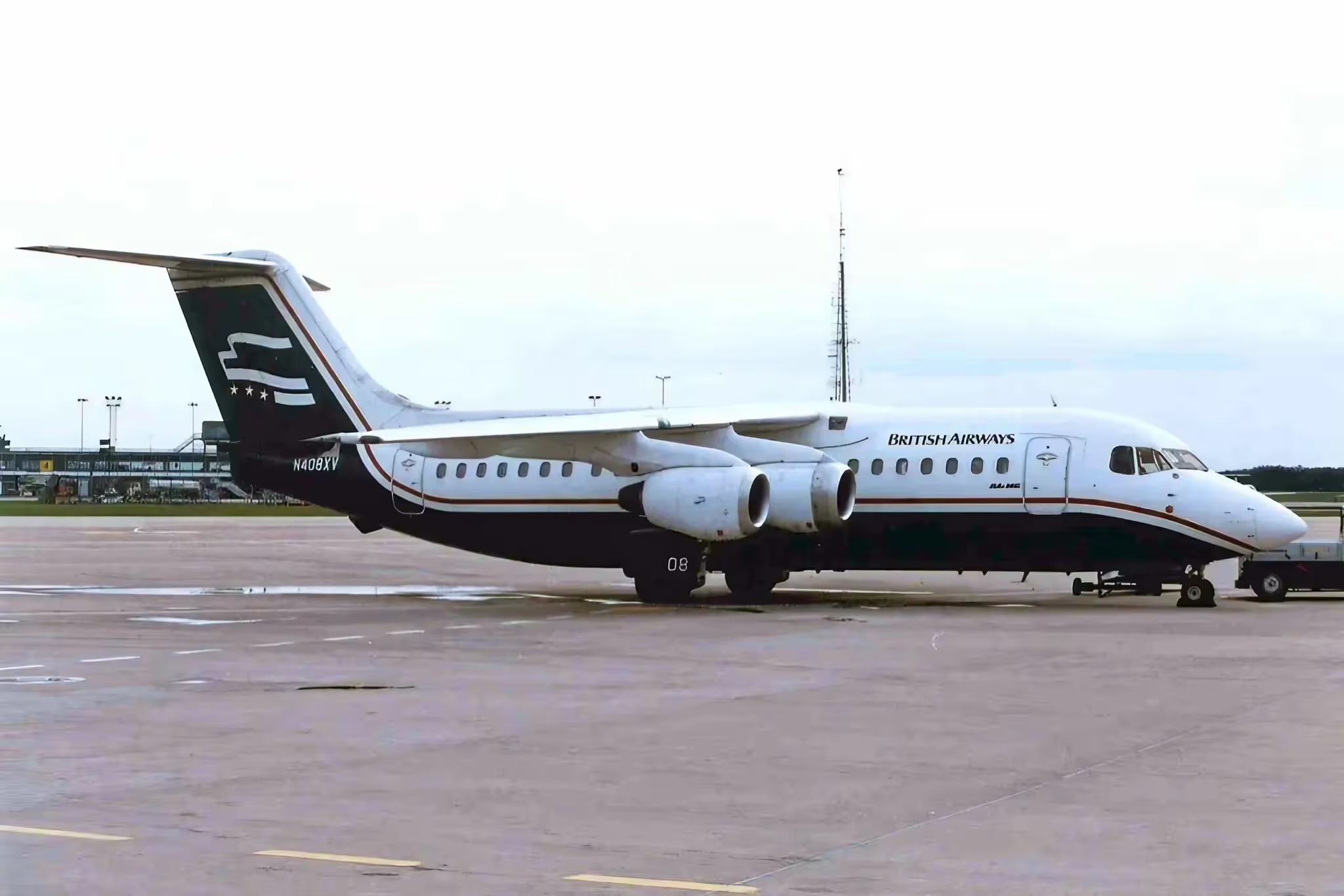
In the UK, British Airways (BA) briefly halted flights to Bahrain before restoring service, underscoring how quickly airline risk assessments are evolving. ITA Airways (AZ) suspended overnight flights to Tel Aviv during the peak of the escalation.
North American carriers have also adjusted. United Airlines (UA) and Air Canada (AC) cancelled Tel Aviv services through the affected weekend window, with schedules subject to further review depending on security conditions.
Smaller and regional operators have not been immune. Luxair (LG) cancelled or postponed Dubai services, while India’s IndiGo (6E) suspended flights to several destinations on Iran’s periphery, including Tbilisi, Almaty, Tashkent, and Baku, citing the regional security situation.
Meanwhile, some airlines continue flying but are materially altering routings. Finnair (AY) has implemented longer routings to avoid sensitive airspace, while Wizz Air (W6) is avoiding Iranian and Iraqi airspace altogether, in some cases requiring technical stops due to increased flight times and fuel constraints.
Operational Context
Airlines emphasize that these measures are precautionary, driven by airspace advisories, insurance considerations, and real-time security assessments. With conditions changing rapidly, further short-notice cancellations, resumptions, and reroutes remain likely in the days ahead.
Featured featured: Marty Basaria/Airways



.avif)