
.webp)
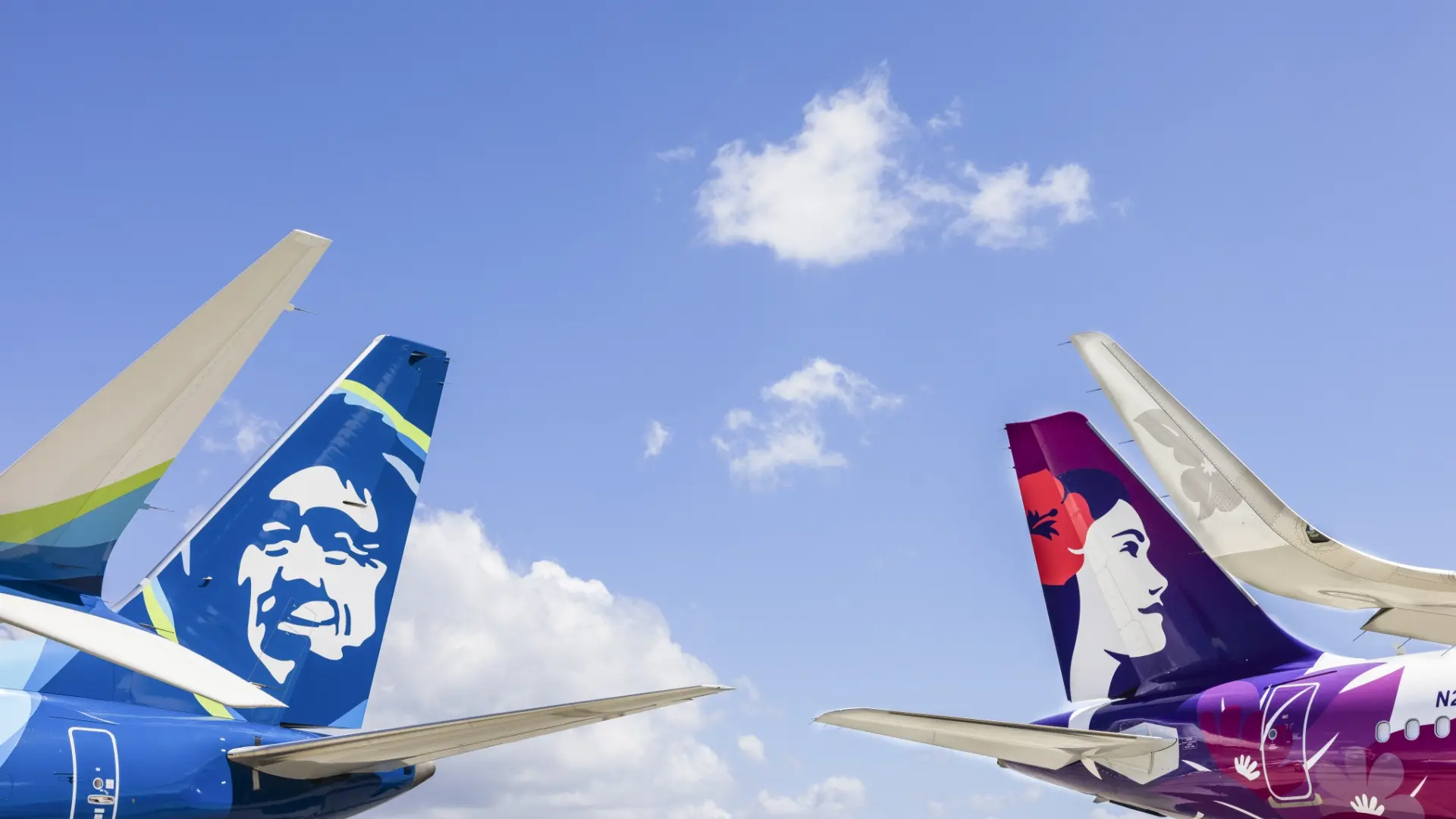
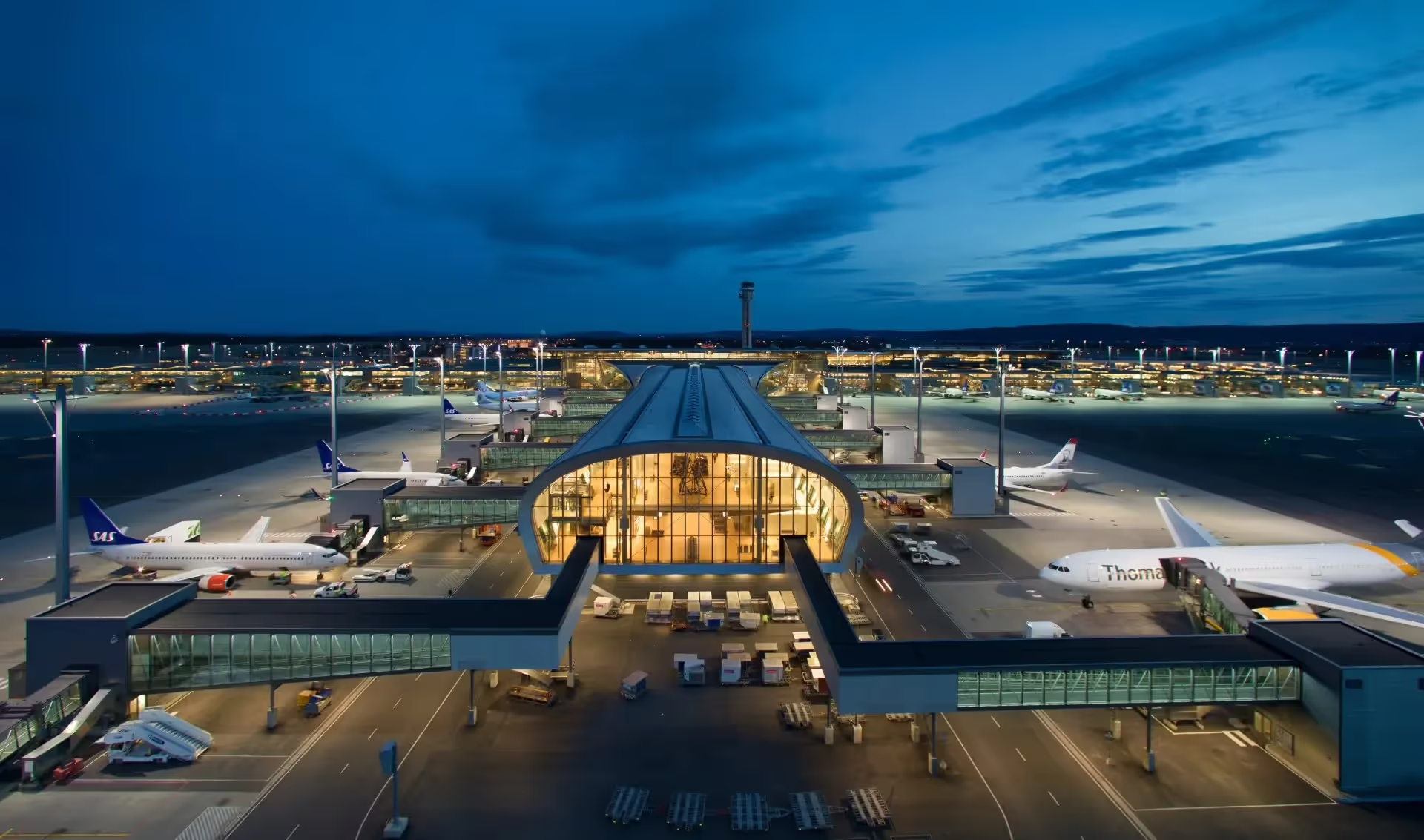
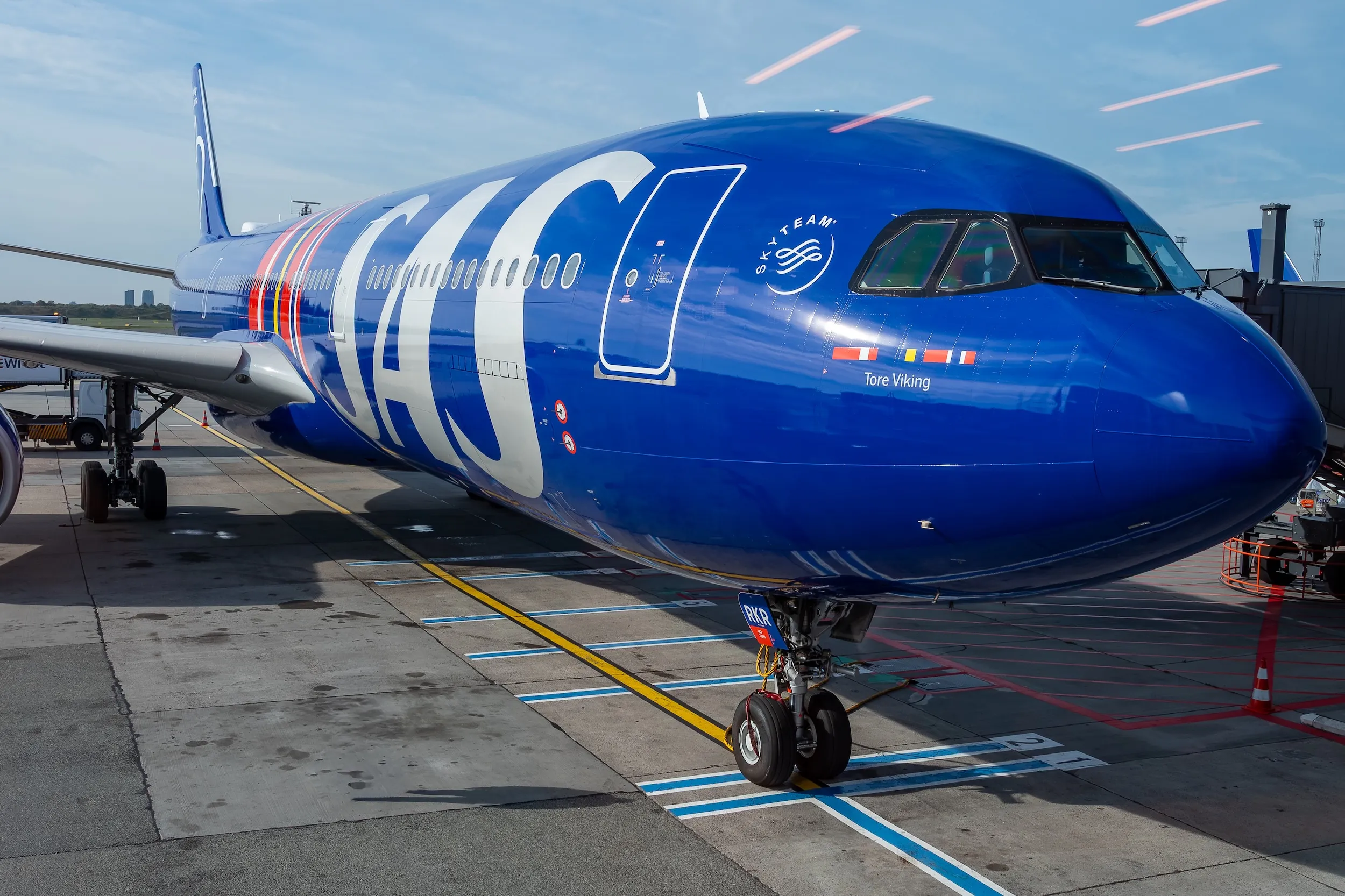
DALLAS — At first glance, the European airline market appears crowded, with many airlines displaying unique logos, liveries, and brand identities.
However, many of these airlines are owned by the same parent company.
What is an airline group?
An airline group is a parent company that owns and manages multiple airlines under one corporate structure. Each airline typically serves a distinct market or customer segment.
Some airlines focus on passenger services, others on cargo, and some manage maintenance or technical operations. For example, within the Lufthansa Group, Lufthansa Cargo and Lufthansa Technik operate alongside passenger airlines under the same corporate structure.
Each division has its day-to-day responsibilities, but they all ultimately report to the parent company and contribute to the group’s overall strategy and revenue.
Why do they exist?
Companies form airline groups primarily for consolidation. Airlines are often acquired during financial challenges or difficult market conditions.
Rather than fully merging and eliminating the acquired airline’s identity, the parent company typically allows it to operate under its original brand and air operator certificate. This approach keeps the airline active in the market while integrating it into the group.
Advantages of airline groups
Sharing resources and cutting costs
Groups can centralize or coordinate operations such as maintenance facilities, pilot and crew training, aircraft procurement, and IT systems. By managing these functions across multiple airlines, they reduce duplication and improve efficiency. Operating hundreds of aircraft rather than just a few also brings significant savings through economies of scale, while freeing up resources to reinvest in fleet upgrades, technology, or enhancements to the passenger experience.
Preserving market share
The acquired airline retains its brand, maintaining customer loyalty and national identity while generating revenue for the parent company. The group also benefits from the airline’s established reputation and local market knowledge.
Strengthening market control
Airport slots at major hubs are highly valuable. Acquiring an airline with established slots enables the group to expand its presence, secure strategic positions, and limit competitors’ access. This also improves schedule coordination and provides more convenient connections for passengers.
European airline groups
Lufthansa Group
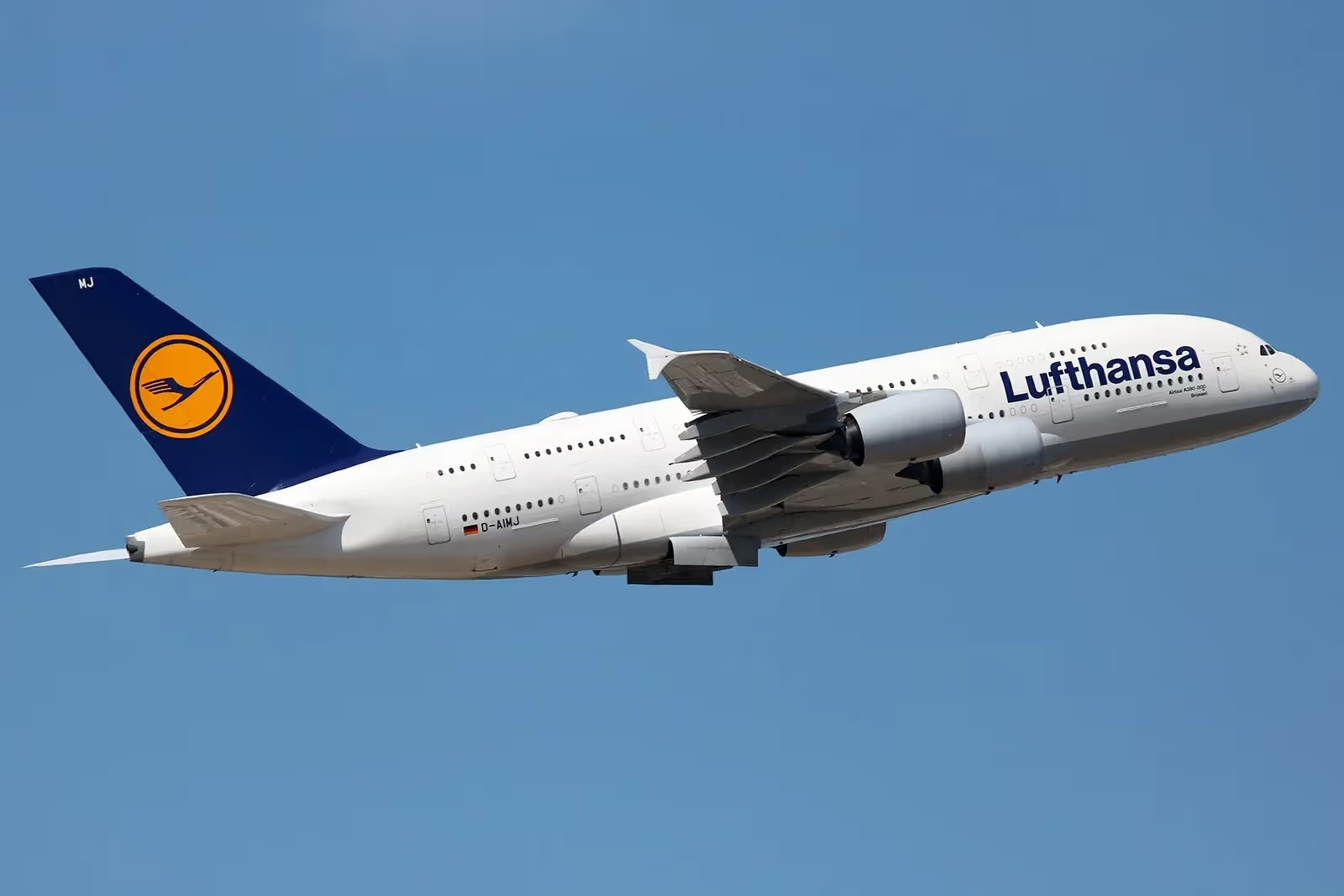
The Lufthansa Group is one of the world’s largest airline groups. It includes Lufthansa (LH), Swiss International Air Lines (LX), Austrian Airlines (OS), ITA Airways (AZ), Brussels Airlines (SN), Discover Airlines (4Y), Air Dolomiti (EN), Edelweiss (WK), and Eurowings (EW). Operating from multiple European hubs, the group serves destinations worldwide, providing extensive international reach.
In addition to passenger flights, the group operates major aviation services. Lufthansa Cargo is one of Europe’s largest dedicated freight carriers, transporting goods globally.
Lufthansa Technik is a leading maintenance, repair, and overhaul (MRO) provider, serving both the Lufthansa Group and airlines worldwide. Keeping these services in-house reduces costs and increases revenue.
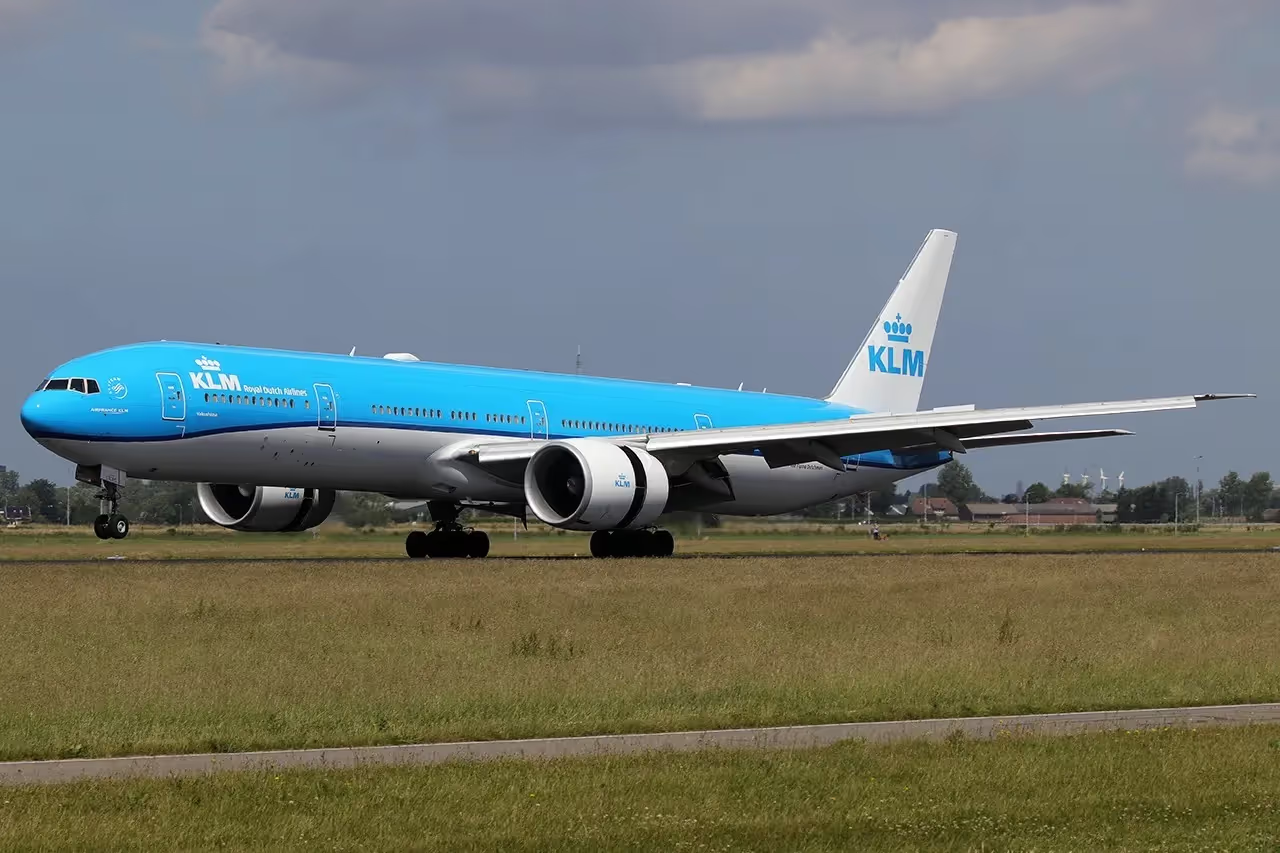
Air France-KLM Group
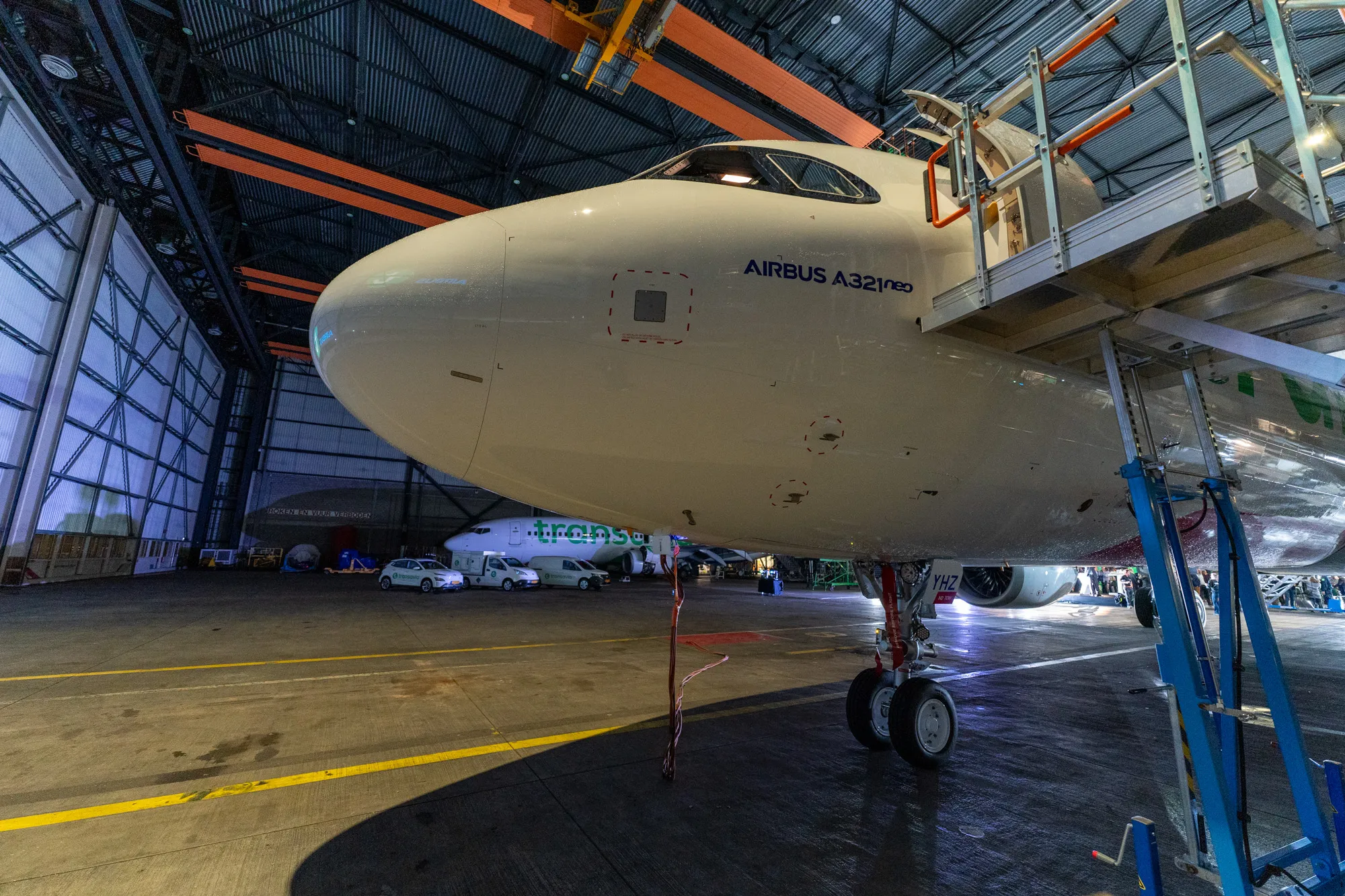
Air France–KLM is another major European airline group, comprising Air France (AF), KLM Royal Dutch Airlines (KL), and Transavia (HV). The group operates approximately 564 aircraft and serves over 320 destinations from hubs in Paris (CDG) and Amsterdam (AMS).
Subsidiaries such as Air France Cargo and KLM Cargo, along with technical maintenance units, manage fleet operations and cargo efficiently. The group was established in 2004.
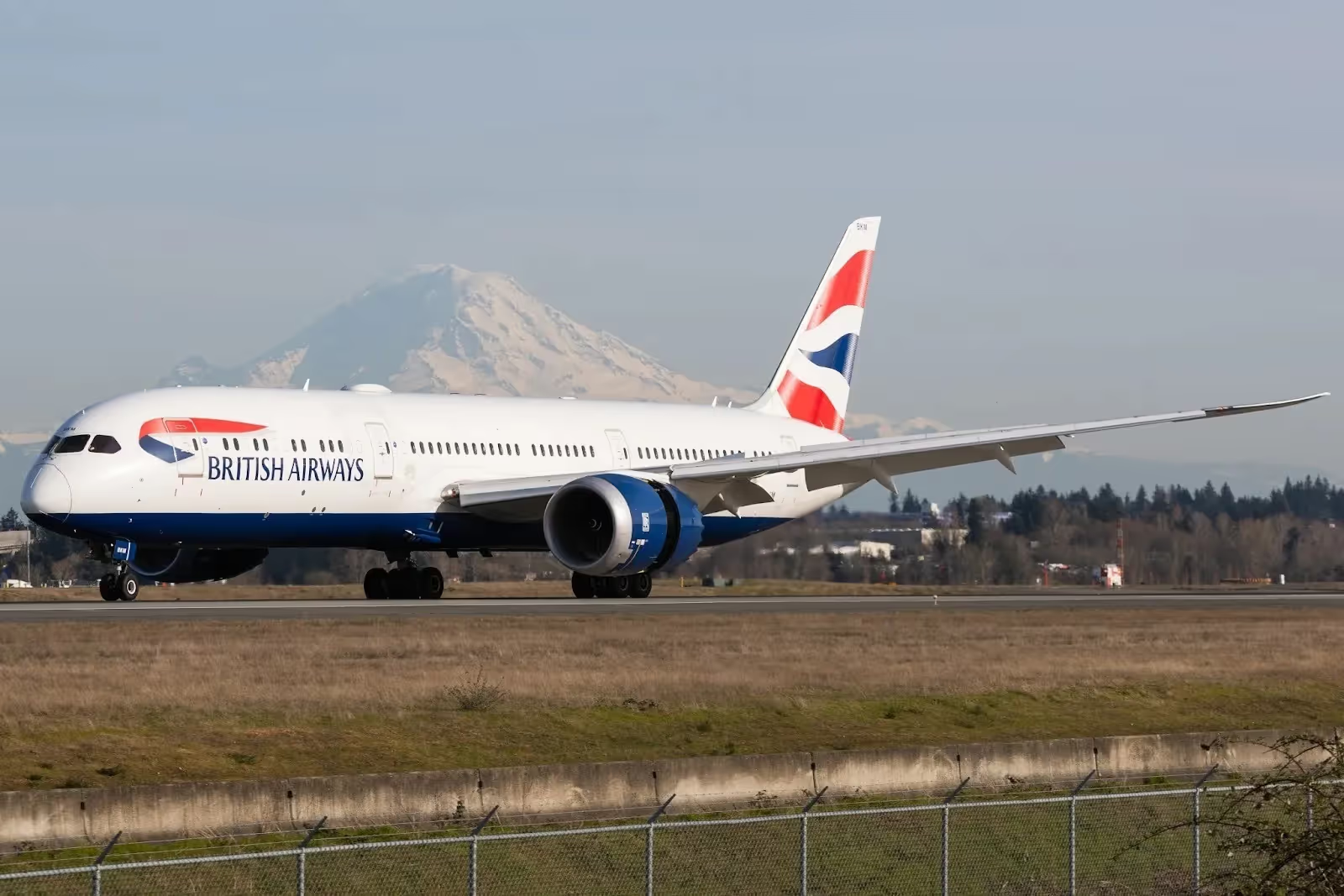
International Airlines Group (IAG)
Formed in 2011 through the merger of British Airways (BA) and Iberia (IB), IAG also includes Aer Lingus (EI), Vueling (VY), and Level (LV).
With approximately 601 aircraft, IAG serves hundreds of destinations from hubs in London Heathrow (LHR), Madrid Barajas (MAD), and Dublin (DUB).
Subsidiaries such as IAG Cargo and technical maintenance units coordinate operations across all airlines, ensuring smooth operation of multiple brands.
Comparing Europe and the U.S.
While airline groups are common in Europe, this model is less prevalent elsewhere. In the United States, mergers typically result in full integration rather than maintaining separate brands.
For example, when Delta Air Lines (DL) acquired Northwest in 2008, the Northwest brand was retired. Aircraft were repainted, and all operations, staff, and systems were integrated into DL.
Inside the group
A common question is whether airlines in the same group compete with each other. Typically, competition occurs between groups rather than individual carriers. Each airline is assigned to a specific market segment.
Within the Lufthansa Group, Lufthansa (LH) focuses on long-haul, premium services, while Eurowings (EW) manages regional and budget travel. This structure enables the group to serve various market segments without depending on a single airline.
Alliance, global reach
European airline groups play a significant role in global alliances. Lufthansa Group is part of Star Alliance, Air France–KLM belongs to SkyTeam, and IAG was a founding member of Oneworld.
Membership in these alliances enables groups to serve more destinations than they could on their own. Shared schedules, joint marketing, and code-sharing also make travel more convenient for passengers.
Bottom line
European airline groups show that multiple carriers can operate under a single parent company while maintaining distinct brands.
Each airline serves a specific market segment, enabling the parent company to address diverse customer needs and strengthen its overall market position.
Featured image: Adrian Nowakowski/Airways



.avif)