.webp)

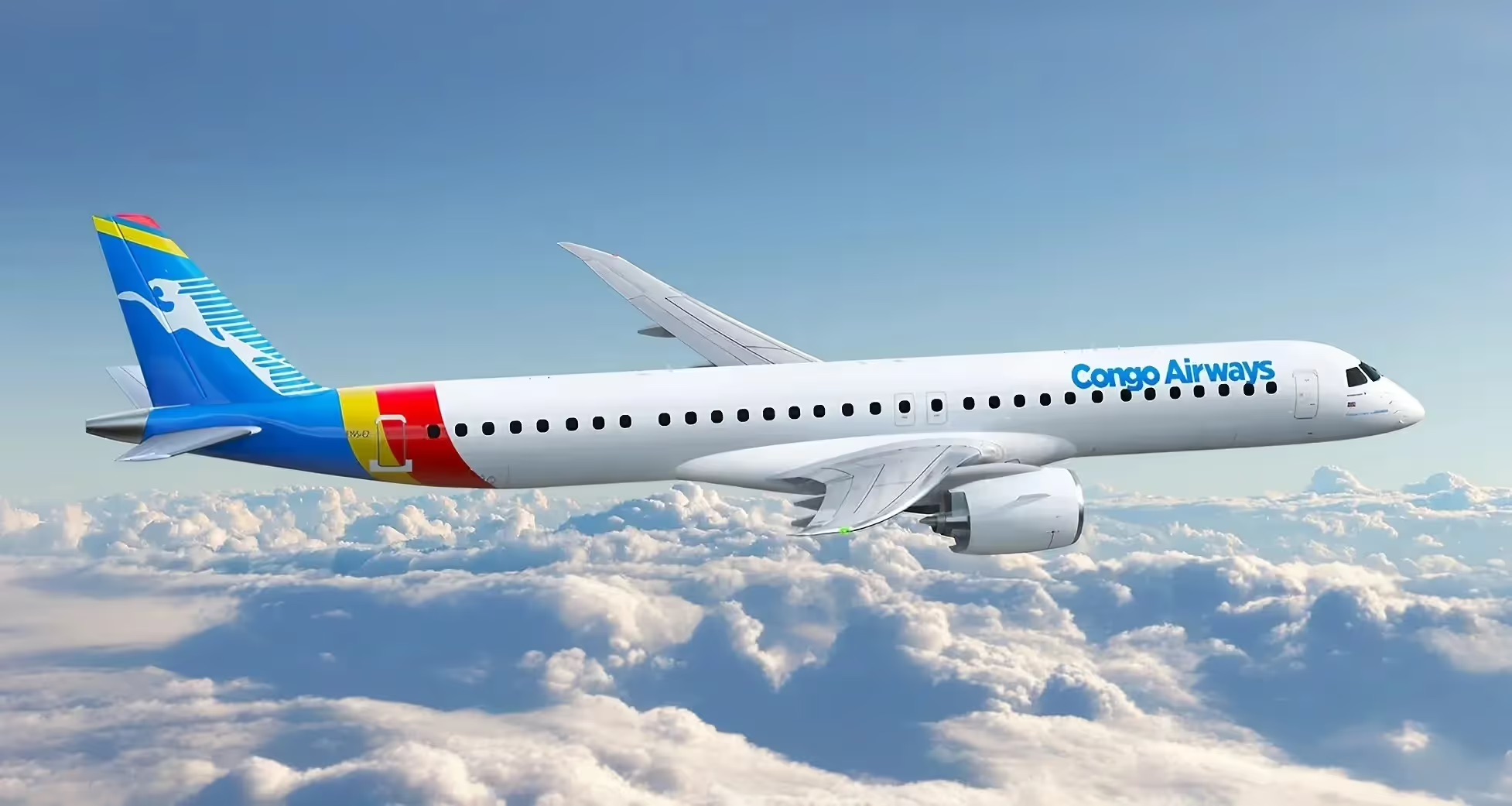
VERONA — Air Dolomiti (EN), part of the Lufthansa Group, is closing out 2025 with a fleet milestone as it takes ownership of its 27th aircraft, the first of 13 Embraer E195-E2s set to join the carrier through 2028. The aircraft, transferred from Austrian Airlines, is expected to arrive shortly and enter revenue service in March 2026.
The delivery marks the formal start of a multi-year fleet modernization program that will see EN progressively replace its nine 108-seat Embraer E190s with larger and more efficient E195s, expanding overall capacity while growing the fleet from 26 aircraft today to 30 at its peak.
Capacity Growth, Network Expansion, 2025 Ops
Fleet expansion is being matched by broader network growth. During the Winter 2025/26 season, EN operates:
- 18 destinations from Frankfurt, including new links to Amsterdam, Birmingham, Bordeaux, Basel, Prague, and Zurich
- 15 destinations from Munich, with new routes to Ljubljana, Luxembourg, and Zurich
The airline is also deepening its role within the Lufthansa Group by operating services on behalf of Austrian Airlines, connecting Italian gateways such as Milan Linate, Bologna, and Venice to the Vienna hub, in addition to routes from Belgrade and Košice.
Air Dolomiti expects to carry over 4 million passengers by the end of 2025, having operated more than 53,000 flights with an average load factor of 75%. The airline reports improving operational regularity and punctuality, supported by a workforce of more than 1,100 employees, reflecting steady organizational growth.
“During the winter season, we serve 50 destinations in 15 countries from our hubs in Frankfurt, Munich, and Vienna,” said Steffen Harbarth, CEO of Air Dolomiti, noting the airline’s increasingly central role within the Lufthansa Group. He added that the focus moving forward will be on strengthening group integration, boosting efficiency, and sustaining long-term growth through aircraft and personnel investment.
What This Means for the Industry
Upsized regional jets remain in demand. The shift from E190s to E195s reflects a broader European trend toward higher-capacity regional aircraft that improve unit costs without sacrificing frequency.
Group flying continues to consolidate. EN’s expanding flying for Lufthansa and Austrian underscores how legacy groups increasingly deploy specialized regional operators to balance capacity and flexibility.
Growth without widebodies. By expanding fleet size and seat count through narrowbody-oriented regional jets, EN demonstrates how airlines can scale efficiently without entering the long-haul space.
Regional carriers as strategic assets. The airline’s steady growth confirms the continuing importance of regional subsidiaries as feeders, buffers, and growth engines within large airline groups.
Featured image: Fabrizio Spicuglia/Airways



.webp)