Airbus in 2025: 793 Deliveries, 889 Orders, EBIT €6.1BN


.webp)
TOULOUSE — Today, Airbus announced its full-year (FY) 2025 results. The European OEM added 1,000 gross orders to its books, with net orders increasing from 826 aircraft in 2024 to 889 in 2025. The OEM increased its consolidated order intake by value to €123.3 billion (2024: €103.5 billion). The consolidated order book value stood at € 619 billion at the end of 2025 (year-end 2024: € 629 billion). Airbus closed the year with 8,754 units in its order book, up 1% from 2024.
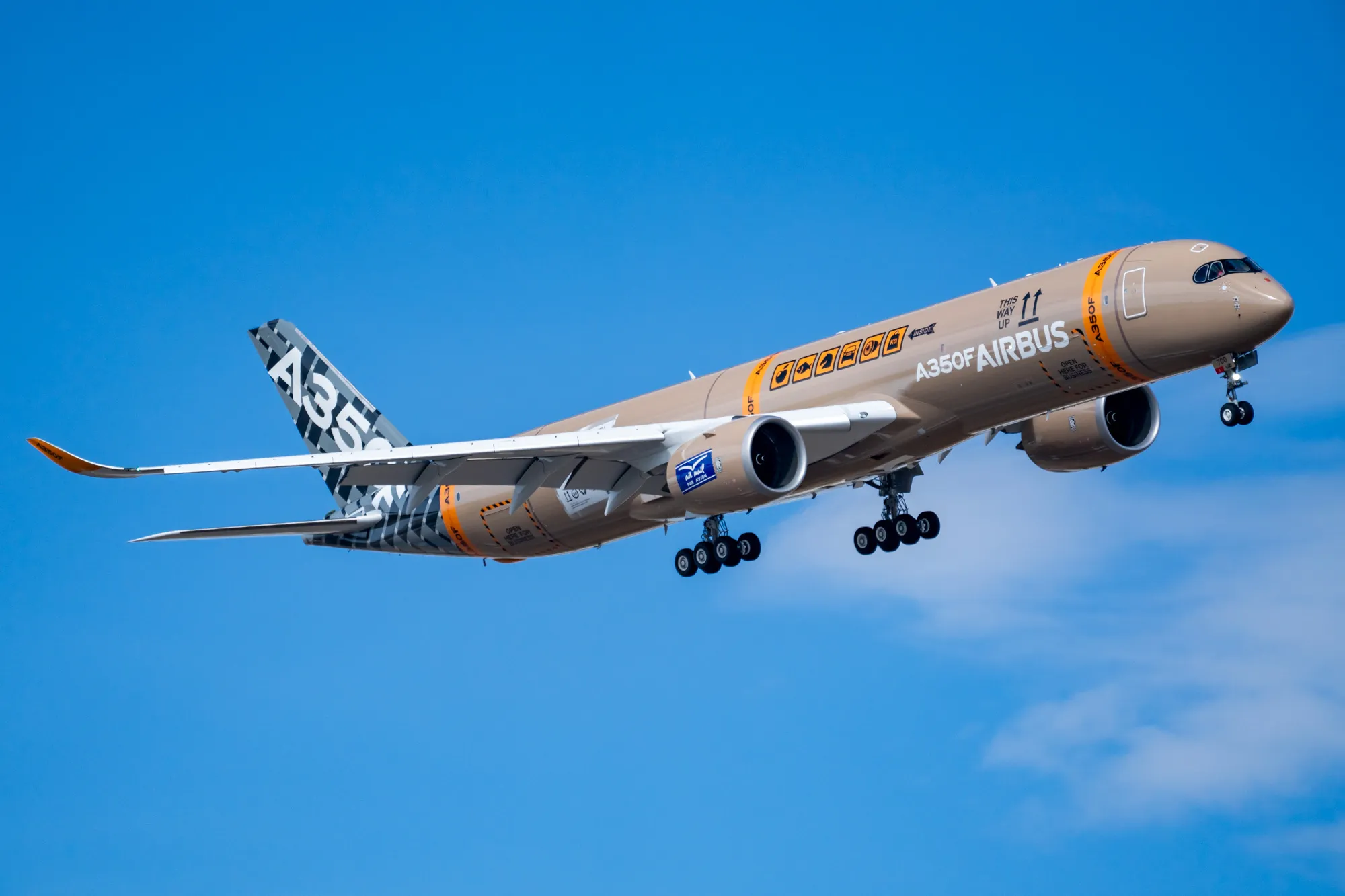
Airbus helicopters registered 536 net orders (2024: 450 units), with a book-to-bill ratio above 1 both in units and value. A total of 793 commercial aircraft were delivered (2024: 766 aircraft), comprising 93 A220s, 607 A320 Family, 36 A330s, and 57 A350s. Revenues generated by Airbus’ commercial aircraft activities increased 4% to € 52.6 billion, mainly reflecting the higher number of deliveries and growth in services, partially offset by the US dollar’s depreciation.
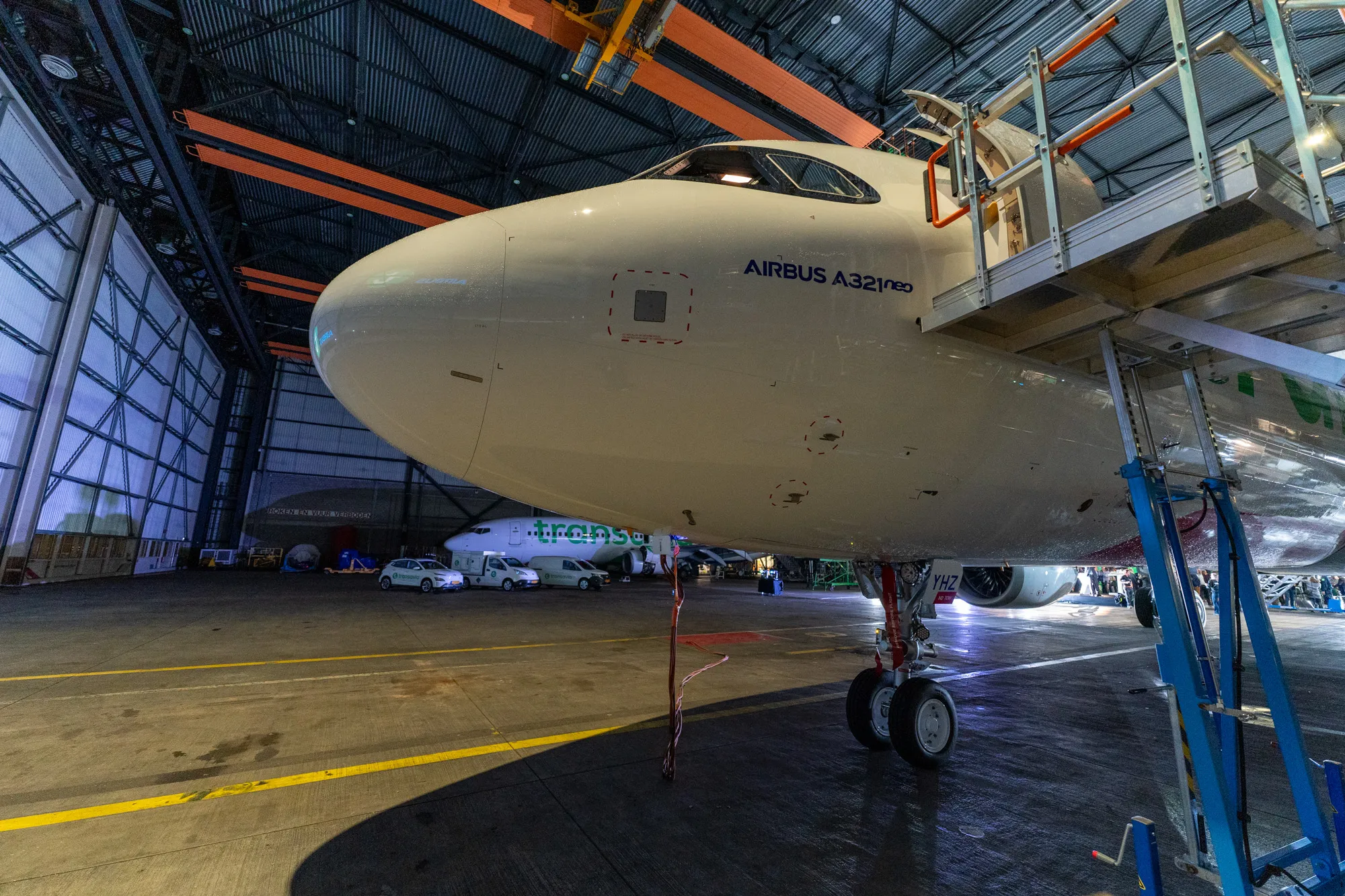
Airbus added new customers in 2025, including flydubai’s (FZ) landmark order for up to 250 A321neo family aircraft at the Dubai Airshow, Air Europa (UX), and LOT Polish Airlines (LO), among others.
A220’s production ramp-up is ongoing, according to Airbus, with integration with Spirit AeroSystems as the primary driver. Airbus is targeting a production rate of 13 units a month in 2028. Regarding Pratt & Whitney, Airbus communicated in a press release:
“On the A320 Family, Pratt & Whitney’s failure to commit to the number of engines ordered by Airbus is negatively impacting this year’s guidance and the ramp-up trajectory. As a consequence, the Company now expects to reach a rate of between 70 and 75 aircraft a month by the end of 2027, stabilising at a rate of 75 thereafter.”
The Company continues to target a rate of 5 for the A330 programme in 2029 and a rate of 12 for the A350 programme in 2028.
Financial Performance
Airbus’ consolidated revenues increased by 6% year-on-year to € 73.4 billion (2024: € 69.2 billion). Consolidated EBIT Adjusted totalled € 7,128 million (2024: € 5,354 million). The 2024 figure included charges of € 1.3 billion following an in-depth technical review of Space programmes.
EBIT Adjusted related to Airbus’ commercial aircraft activities increased to € 5,470 million (2024: € 5,093 million), driven by the higher deliveries with a more favourable hedge rate and lower R&D expenses being partially offset by the impact of tariffs.
Consolidated free cash flow before customer financing was € 4,574 million (2024: € 4,463 million), reflecting the strong performance in all businesses. Consolidated free cash flow totalled € 4,753 million (2024: € 4,461 million). The gross cash position stood at € 27.2 billion at the end of 2025 (year-end 2024: € 26.9 billion), with a consolidated net cash position of € 12.2 billion (year-end 2024: € 11.8 billion).
Following the financial results, the company’s dividend proposal is set at €3.20 per share.
A350-2000, A220-500
Airbus sees demand for larger widebody aircraft and is still looking at the potential of a stretched version of the type. The OEM is not at the decision-making stage yet, according to its CEO. The A220-500 would make “plenty of sense,” according to Faury, but the OEM is not under any rush to make a decision due to the ongoing integration with Spirit AeroSystems.
Stretched variants for both the A350 and A220 have been rumoured for a long time, driven by demand increase and the possibility of reusing existing platforms and facilities.
CEO Comments
2025 was a landmark year, characterised by very strong demand for our products and services across all businesses, a record financial performance, and strategic milestones. We successfully navigated a complex and dynamic operating environment to deliver on our updated guidance,” said Guillaume Faury, Airbus Chief Executive Officer.
“Global demand for commercial aircraft underpins our ongoing production ramp-up, which we are managing while facing significant Pratt & Whitney engine shortages. The broad and competitive portfolios of Defence and Space, as well as Helicopters, allow us to capture the momentum in defence. We are also making progress to establish a new global industrial space player, together with our partners. These 2025 results and the confidence in our future financial performance support the proposed higher dividend payment.”
Featured Image: Simone Chellini/Airways



.avif)