

.webp)
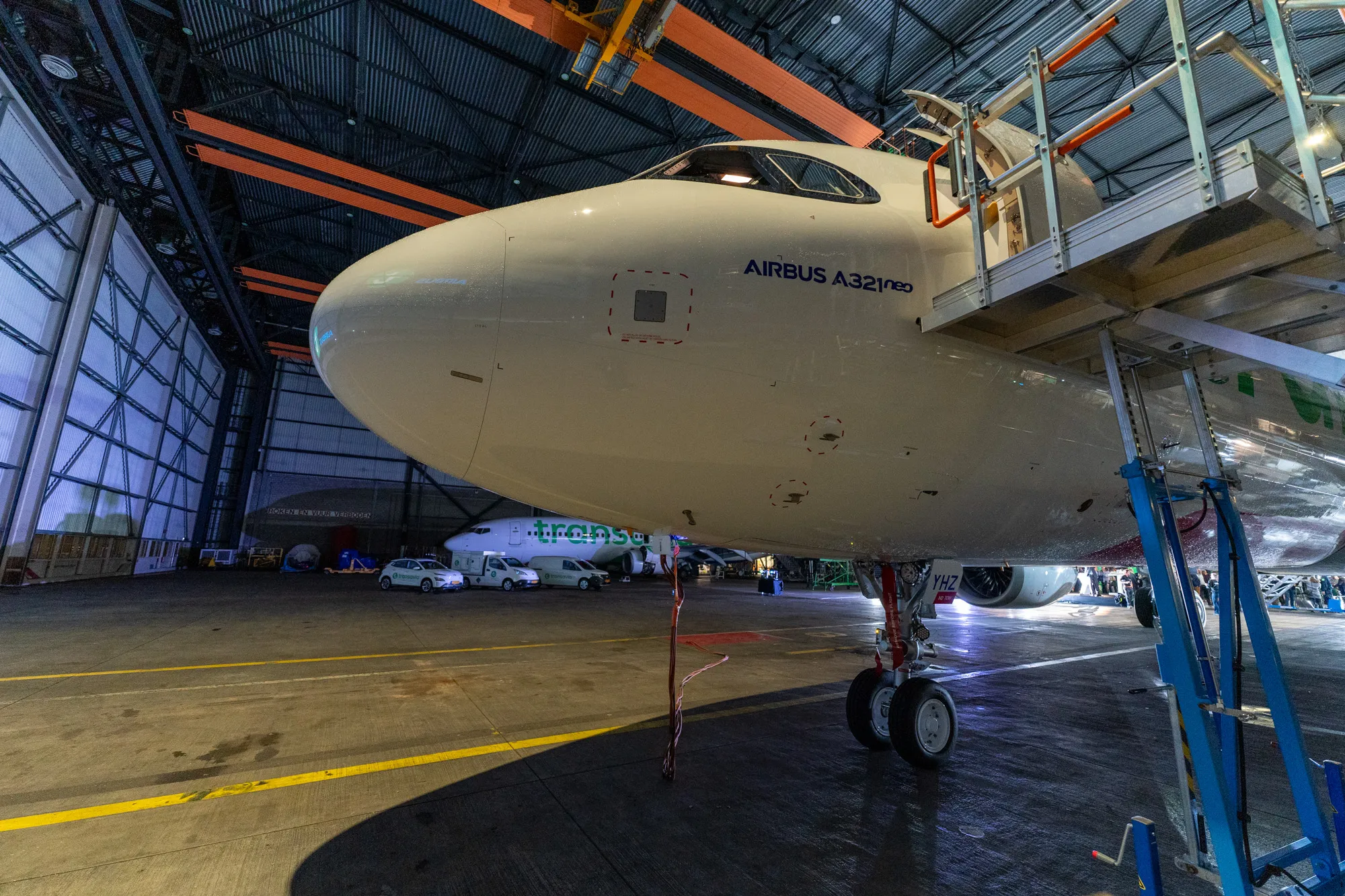
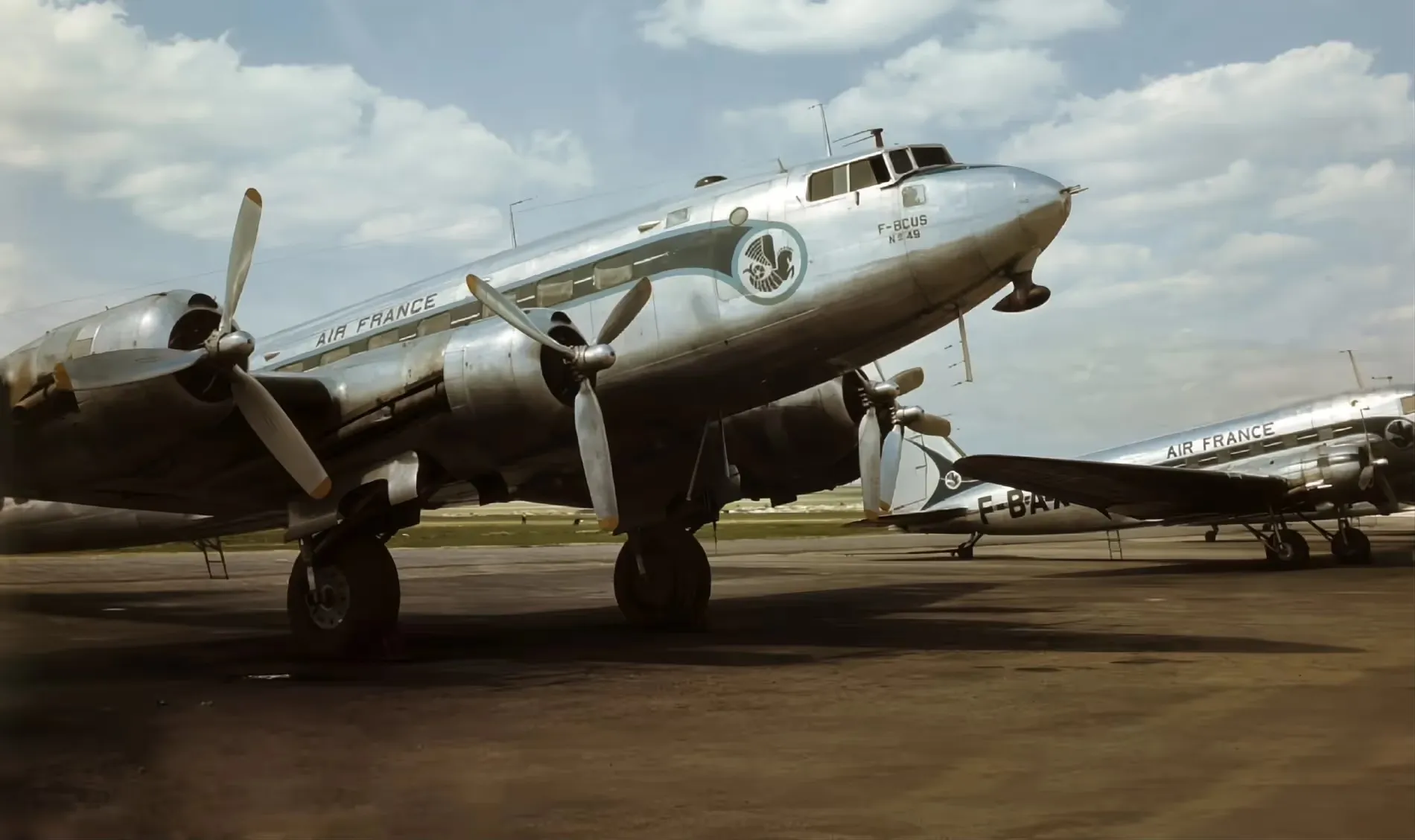
DALLAS — Air Canada’s (AC) suspension of service to Cuba in early February 2026 quickly turned from a network disruption into a passenger-focused mission.
With aviation fuel supplies on the island described as unreliable, the airline announced it would pause service—while simultaneously planning empty southbound flights to position aircraft and operate return legs that would bring stranded customers back to Canada.
The airline said it had roughly 3,000 customers in Cuba and would operate a series of recovery flights over the coming days. To manage the operational risk of uncertain refueling, AC outlined contingency steps familiar to dispatch but rarely publicly spelled out: tankering extra fuel and using technical stops as needed to complete the mission safely.
What “tankering fuel” means: Airlines sometimes depart with extra fuel from a reliable airport to reduce or eliminate refueling at a destination where supply is limited, costly, or uncertain—at the expense of higher takeoff weight and fuel burn.
For commercial aviation, the AC Cuban airlift is a clean case study in how a leisure network can pivot into “repatriation mode” without a formal evacuation label.
The aircraft, crews, and routes may be routine on paper, but the operating posture changes immediately: reduce exposure to the constraint, protect passengers, and restore schedule geometry to clear demand efficiently.
Key Mission Facts
- Operator: Air Canada
- Mission type: Passenger repatriation/schedule recovery under fuel constraint
- Trigger: Aviation fuel availability concerns in Cuba
- Tactics: Empty ferry flights southbound; tankering extra fuel; technical stops if required
- Scale (reported): ~3,000 customers in Cuba at the time of announcement
- Date: February 2026 (statement release)
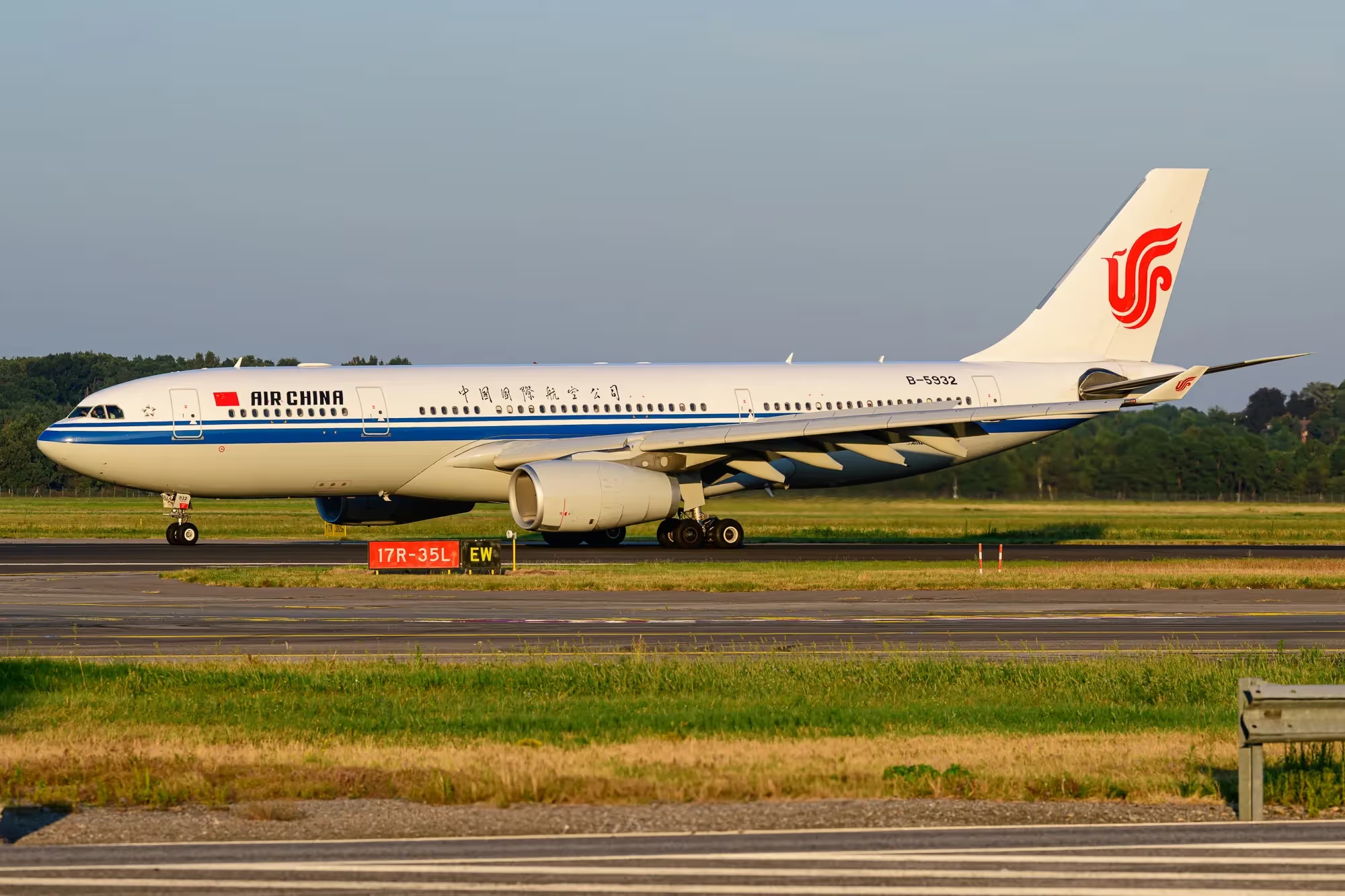
Featured image: Francesco Cecchetti/Airways



.avif)